
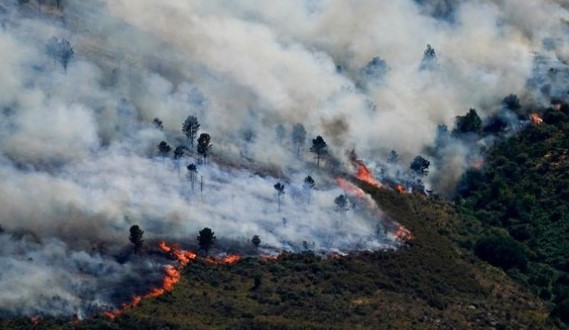
A fast-moving wildfire has forced the evacuation of roughly 10 villages on the Greek island of Paros, one of the country’s most popular tourist destinations.
The fire broke out Tuesday afternoon near Kampi, close to the Paros landfill site. It initially ignited a pile of waste and surrounding brush before rapidly spreading toward several points in the island’s southern and southeastern areas.
As of now, there’s no confirmed figure on how many residents or tourists have been affected. Local authorities have issued four emergency alerts, urging people to move away from hazardous areas immediately.
Firefighting Efforts Underway
As reported by The Independent on Thursday, July 30, 2026, the Paros Fire Department deployed 66 personnel along with four forestry command teams from the Special Forestry Operations Unit to battle the blaze. Crews are continuing their efforts despite unfavorable weather conditions.
Greek Fire Service deputy spokesperson Giannis Artopios said strong winds, measured at 6 to 7 on the Beaufort scale, have been the biggest obstacle to containment. The gusts are carrying embers to new locations, sparking additional fire fronts as crews work to keep up.
Paros Mayor Konstantinos Bizas also warned that wind speeds are expected to pick up further, raising concerns that the fire could spread even more aggressively in the coming hours.
Part of a Wider Pattern Across Southern Europe
While Greece hasn’t yet seen wildfires on the scale of those in France or Spain this year, authorities are urging continued vigilance. In France, the total area burned this season has already surpassed previous records by roughly 40%. French President Emmanuel Macron has described this year’s fire season as the worst disaster the country has faced since World War II.
In Spain, wildfires in the Castellón region have scorched more than 10,000 hectares of land, with at least six regions placed under orange alert status.
Experts point to climate change as a key factor intensifying wildfire conditions across Europe. A report released in June by the European Environment Agency (EEA) warned that without serious action to curb climate change, European countries will face increasingly frequent extreme weather events and larger-scale disasters in the years ahead.
What This Means for Travelers
If you have a trip to Paros or the wider Greek islands planned in the coming days, it’s worth monitoring official updates from local authorities before you go, as conditions on the ground can change quickly during active wildfire situations. Checking travel advisories and staying flexible with your itinerary is the safest approach until the fire is fully contained.