The US Centers for Disease Control and Prevention (CDC) has issued a Level 2 Travel Health Notice for Bali, Indonesia, urging travelers to practice increased caution.
According to the official website of the US Embassy in Indonesia, the notice comes in response to a rise in reported Zika cases among travelers returning from Bali.
What Is Zika, and How Serious Is It?
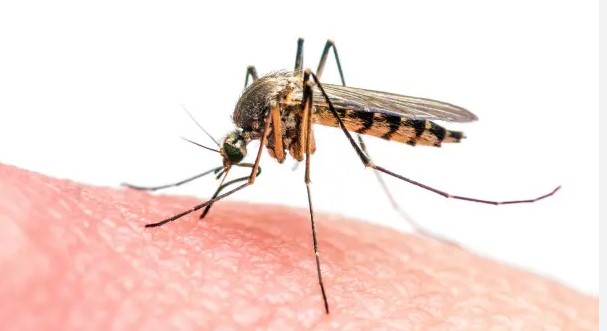
Zika is a mosquito-borne virus. Most people who contract it don’t experience any symptoms at all. When symptoms do appear, they’re typically mild and can include fever, skin rash, headache, joint or muscle pain, and red eyes.
The CDC notes that for the general population, Zika infections are usually mild and manageable through basic mosquito-bite prevention. There is currently no vaccine or specific treatment available for Zika.
That said, the situation looks different for pregnant travelers and those planning a pregnancy. Zika infection during pregnancy can affect fetal development, particularly during the first and second trimesters. In some cases, the virus can also be transmitted through sexual contact.
How Travelers Can Protect Themselves
The CDC is advising anyone traveling to Bali to take precautions against mosquito bites throughout their trip, and to continue those precautions for up to three weeks after returning home, even if no symptoms appear.
Recommended steps include:
- Using an EPA-registered insect repellent as directed on the label
- Wearing long-sleeved shirts and long pants
- Choosing accommodations with screened windows and doors
Travelers may also want to consider wearing permethrin-treated clothing for extra protection. It’s also worth adjusting outdoor activity schedules, since mosquitoes tend to be most active during early morning and evening hours.
For children, the CDC states that insect repellents containing 20–30% DEET are considered safe for use across a range of age groups. When applying repellent to children, it’s recommended that an adult first apply the product to their own hands before applying it to the child.
Special Guidance for Pregnant Travelers and Those Planning a Pregnancy
The CDC has issued more specific guidance for pregnant travelers, partners of pregnant women, and couples planning to conceive.
Pregnant women are advised to avoid traveling to Bali if possible while Zika transmission remains active in the area. If travel cannot be postponed, strict mosquito-bite prevention measures should be followed throughout the trip.
Male partners of pregnant women are advised to avoid unprotected sex for the remainder of the pregnancy.
For couples currently planning a pregnancy, the CDC recommends considering a delay after travel to Bali , specifically, three months for men and two months for women after returning from the trip.
Recognizing Zika Symptoms
Travelers who have recently returned from Bali and experience symptoms such as fever, rash, headache, joint or muscle pain, or red eyes are advised to seek medical attention promptly.
According to the CDC, healthcare providers will determine the appropriate testing and monitoring based on individual risk factors and current medical guidelines.
The Bottom Line
While most Zika infections are symptom-free or only mildly uncomfortable, the CDC’s advisory is a reminder to stay alert , particularly for travelers who may be at higher risk of pregnancy-related complications. Despite the rise in reported cases among returning travelers, the message isn’t to panic, but to be more disciplined about protecting against mosquito bites before, during, and after the trip.