
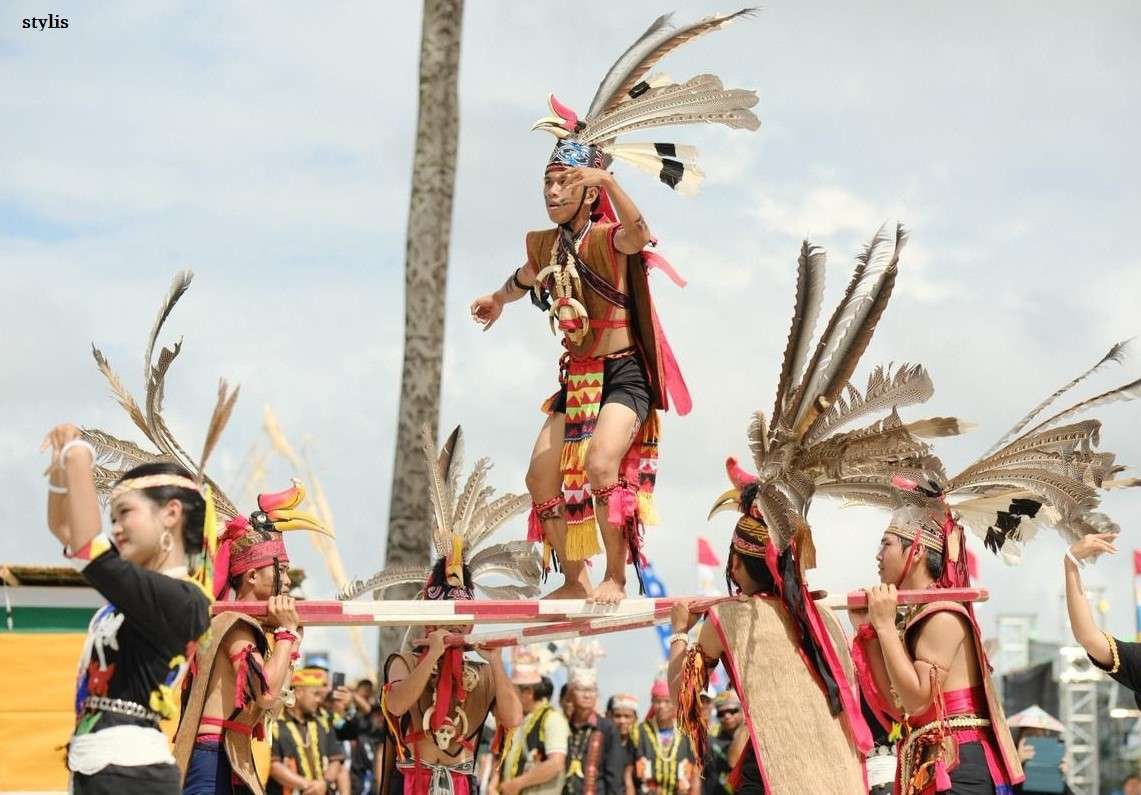
The National Dayak Customary Council (MADN) has issued a set of important appeals to the Dayak community across Kalimantan in response to the ongoing forest and land fires (karhutla) affecting the region.
The appeal is outlined in MADN Circular Letter No. 566/MADN/S-I/VIII/2026, covering drought disaster mitigation, forest fire prevention, and the organization of customary rituals and joint prayers across Kalimantan, dated August 30, 2026.
In the letter, MADN calls on all Dayak communities to heighten vigilance against extreme drought and the ongoing threat of forest and land fires.
A Crisis Nearly Six Months in the Making
MADN Chairman Marthin Billa said the emergency conditions caused by haze and extreme drought have gripped Kalimantan for almost six months now, with the potential to cause significant environmental damage while also threatening public health.
A Call for Community-Level Prevention
MADN is urging communities to take an active role in preventing new fire sources from starting. Residents are asked not to discard cigarette butts carelessly, particularly while active in forested areas or on dry land.
“It is strictly prohibited to discard lit or still-burning cigarette butts,” reads one point in the appeal letter, received Wednesday, September 2, 2026.
Communities are also being asked to stop open burning of waste entirely, whether in home yards, along roadsides, or in other areas near dry vegetation. Open waste burning is considered a serious risk, as stray sparks can easily ignite larger fires. All land-clearing or brush-burning activities are being asked to halt entirely for as long as the extreme drought and haze conditions persist.
Turning to Tradition: Rituals to Call for Rain
Beyond practical prevention measures, MADN is also encouraging Dayak communities to turn to spiritual tradition in facing the drought. Temenggung (traditional leaders), customary chiefs, and Dayak spiritual figures have been asked to hold customary rituals to pray for rain, following the specific traditions of their respective Dayak sub-groups.
Several rituals mentioned in the letter include the Mulang Kangkanong ritual, the Kanjan ritual, along with other local rituals practiced within individual customary communities.
MADN is also calling on Dayak communities across Kalimantan to hold interfaith joint prayer gatherings, directed toward God according to each person’s respective faith and beliefs, with the shared hope that rain will come soon and the haze disaster will come to an end.
“Strengthen your faith and simultaneously offer prayers to God Almighty… so that blessed rain may fall and this haze disaster may come to an end soon,” Marthin wrote.
Strengthening Customary Law Enforcement
MADN has also asked customary leadership structures to strengthen oversight and enforcement of customary law within their respective territories. Temenggung, Damang, Domong, and customary chiefs have been asked to take firm action against any party found to have deliberately or negligently caused forest and land fires.
Sanctions under local customary law are expected to be enforced against violators, as part of a broader effort to prevent further fires within customary law jurisdictions.
The Bigger Picture
MADN emphasized that all of these appeals are part of a broader effort to protect the environment and safeguard public safety across Kalimantan, while calling on every part of the indigenous community to take swift, responsible action in facing the ongoing threat of drought and forest fires.
What This Means for Travelers
If you have travel plans to Kalimantan in the coming months, it’s worth monitoring air quality and haze conditions closely, as the region continues facing an extended period of drought and fire risk. Flight delays and cancellations remain a real possibility while these conditions persist, so staying flexible with travel plans and checking official updates before departure is strongly advised.