
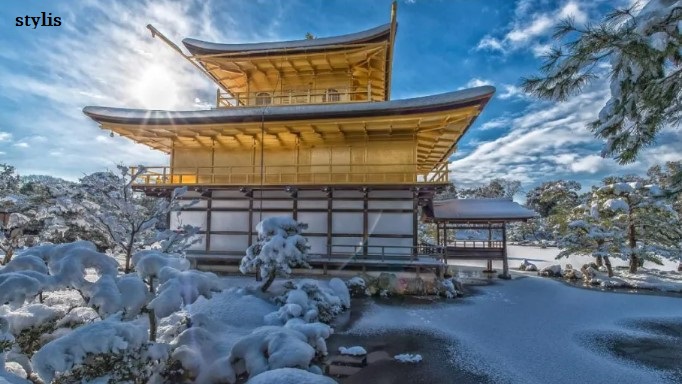
Japan travel trends are shifting. Visitors are no longer satisfied with just checking off Tokyo, Kyoto, Osaka, and the Mount Fuji area, more travelers are now seeking out small villages, old walking trails, coastal towns, and landscapes that haven’t yet flooded social media feeds.
Japan remains a favorite for a reason: it’s one of the few destinations that seamlessly blends modernity, culture, food, nature, and an incredibly efficient transportation system. What makes it even more special is how much variety exists just outside the well-worn tourist trail.
Why Japan Never Gets Old
Japan has an advantage that’s hard to match anywhere else: in a single day, you could have breakfast in a sleek modern district, stop by a centuries-old temple, take in mountain views, then end the night in a neon-lit downtown core. And because the seasons change so distinctly, the exact same destination can feel completely different depending on when you visit.
If you’re chasing an affordable Japan trip, the smartest strategy isn’t just hunting for the lowest price. Hotel quality, location, how many stops you’re cramming into each day, travel time between destinations, food options, transportation, and whether your itinerary actually leaves room to enjoy the trip without feeling rushed, all of that matters just as much as the price tag.
Here are five destination pairings, icon plus hidden gem, worth building into a Japan itinerary.
1. Tokyo: The Modern Urban Heart
Tokyo remains a favorite entry point for good reason, with the fast-paced energy of Shibuya Crossing as its signature scene. You can also experience a more traditional side of the city around Sensoji Temple in Asakusa. Shinjuku, Harajuku, and Ginza each bring their own flavor of dynamic urban lifestyle worth exploring.
2. Mount Fuji and Aokigahara: An Icon Paired With Mysterious Nature
Lake Kawaguchi offers one of the best vantage points to see Mount Fuji clearly on a clear day. Not far from there, Aokigahara delivers a genuinely unique nature experience, home to exotic lava caves like Narusawa Ice Cave. Walking through this dense forest sitting atop ancient lava formations is an experience unlike most other stops on a typical Japan trip.
3. Kyoto and Ohara: A Calmer Side of Classic Japan
Fushimi Inari and Kiyomizudera remain must-visits for anyone drawn to history and traditional architecture. But if you want to skip the downtown crowds, head slightly further out to Ohara Village. This area offers a string of temples set against a much quieter, more peaceful rural backdrop.
4. Osaka and Ine: City Sparkle Meets Coastal Calm
Osaka works particularly well toward the end of a trip, letting you soak up the vibrant nightlife and street food scene around Dotonbori. Once you’ve had your fill of shopping and eating, create a striking contrast by heading to Ine, in Kyoto Prefecture. This charming coastal area is known for its rows of traditional funaya, or boat houses, built right along the water’s edge.
5. Tottori and the Kiso Valley: Rare Landscapes Worth the Detour
Tottori is home to a genuinely unique sand dune landscape, rarely found anywhere else in Japan. Meanwhile, the Kiso Valley in Nagano invites travelers to walk along the historic Nakasendo trail. Visiting the post towns of Magome and Tsumago offers a real glimpse into what life in Japan looked like generations ago.
Planning It Right
Building a well-balanced Japan itinerary comes down to weighing travel distances, how much time to spend at each stop, and pacing the trip to match your travel style, whether that’s a packed sightseeing schedule or a slower, more immersive pace.
Frequently Asked Questions About Traveling to Japan
How many days is ideal for a first trip to Japan? Seven to nine days is a comfortable window to cover Tokyo, the Fuji area, Kyoto, and Osaka. If you want to add hidden gems into the mix, consider extending your trip or trimming down the number of major cities you visit.
Are Tokyo and Kyoto mandatory stops? Not necessarily, but both offer a strong sense of modern and traditional Japan respectively. Travelers can adjust their city choices based on personal interests, trip length, and arrival airport.
Are off-the-beaten-path destinations hard to reach? Not all of them. Some spots have solid train and bus access, while others are more comfortably reached with private transportation or careful trip planning.
Can tourists visit Aokigahara? Yes, the areas open to visitors, particularly the designated trails and lava caves nearby, are accessible. Visitors should stick to marked trails, follow posted signage, and respect local guidelines.
Is a guided tour or independent travel better for families? Guided tours tend to be more convenient since transportation and itinerary sequencing are already handled. Independent travel suits families who are comfortable navigating Japan’s transit system and want more flexibility in their schedule.