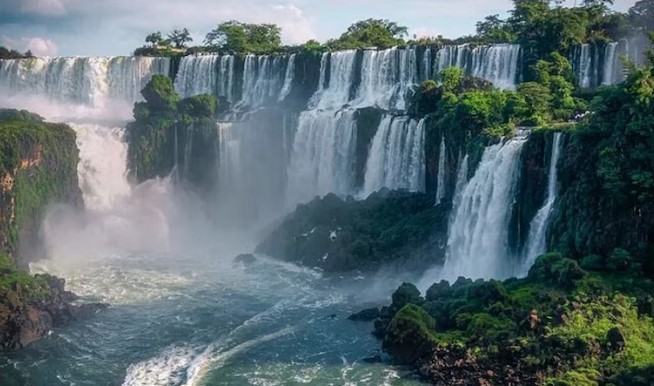
If you’ve got Iguazu Falls on your travel bucket list anytime soon, here’s some important news worth knowing. Argentina’s side of this iconic waterfall system was temporarily closed after river flow surged to more than six times its typical volume, all thanks to heavy rainfall linked to El Nino conditions.
The Numbers Behind This Closure Are Pretty Staggering
Iguazu National Park management restricted tourist access starting Monday (October 12, 2026). The Iguazu River’s flow rate was recorded at more than 12,000 cubic meters per second, which is dramatically higher than the normal range of 1,500 to 1,800 cubic meters per second.
Let that sink in for a second. We’re talking about water volume roughly six to eight times beyond what’s considered typical for this river system. When you’re dealing with numbers like that, it’s not hard to understand why officials decided caution needed to win out over keeping the park open for business as usual.
“Temporary restrictions have been implemented on the movement of people and access to areas used for public activities,” read an official statement from Iguazu National Park, as reported by The Independent on Saturday (October 16).
Officials Call This a Precautionary Measure
Jose Maria Hervas, Director of Iguazu National Park, described this closure as a preventive step rather than a reaction to any incident that had already occurred. According to him, rain was still falling continuously, and water volume being released from dams upstream along the Iguazu River hadn’t shown any signs of decreasing.
That combination, ongoing rainfall plus sustained high water release from upstream dams, essentially meant conditions weren’t improving on their own, which justified keeping restrictions in place rather than risking visitor safety while waiting to see if things would naturally calm down.
When Might Things Reopen?
According to reporting from The Guardian, tourist access was expected to potentially reopen Tuesday, following an anticipated gradual decrease in river flow. That said, any reopening would ultimately depend on actual conditions observed on the ground and decisions made by park management, rather than following some predetermined schedule regardless of circumstances.
This flexibility makes complete sense given how unpredictable weather patterns can be during El Nino periods. Officials would rather extend restrictions a bit longer than rush to reopen only to face dangerous conditions returning unexpectedly.
A Quick Reminder of Why This Place Matters So Much
For anyone unfamiliar, Iguazu Falls sits right along the border between Argentina and Brazil. This region is widely recognized as one of the largest waterfall systems in the world and ranks among South America’s most popular tourist destinations.
We’re talking about a location that draws visitors from across the globe specifically to witness its natural grandeur, so any closure here carries real implications for travel plans and regional tourism.
This Isn’t the First Time This Has Happened
Flooding related closures at this park aren’t exactly a new phenomenon either. The Argentine side of the national park has previously closed in both 2023 and 2024 due to flooding connected to El Nino conditions. This suggests a pattern worth paying attention to if you’re planning travel to this region during periods when El Nino is actively influencing regional weather.
Park management had actually issued warnings back in September, cautioning that this particular El Nino pattern increases the risk of heavy rainfall and unpredictable weather conditions across various regions of southern South America.
However, officials were careful to clarify that El Nino’s presence doesn’t automatically mean Iguazu Falls will remain flooded or closed throughout the entire 2026-2027 period. It’s more about elevated risk and increased likelihood of disruptions, not a guaranteed continuous closure situation.
What This Means If You’re Planning a Visit
Given these conditions, tourists are being strongly encouraged to monitor official information channels closely, build buffer time into their travel itineraries, and pay close attention to weather conditions before participating in boat tours or walking along open trail sections within the park.
This advice really can’t be overstated enough if you’re planning a trip during this particular season. Having flexibility built into your schedule could mean the difference between catching the falls at their most spectacular (ironically, higher water volume often creates even more dramatic viewing, under safe conditions) versus dealing with unexpected closures that derail your entire itinerary.
Not Everything Is Closed, Though
It’s worth noting that this closure isn’t a blanket shutdown of the entire park. The Devil’s Throat Circuit, a specific tourist trail on the Argentine side, has actually been under temporary closure since August 3, 2026, well before this latest flooding event occurred.
Other sections of the national park have remained open to visitors throughout this period, so travelers shouldn’t necessarily assume the entire Iguazu experience is unavailable just because of these periodic restrictions affecting specific areas.
The Weather Service Is Sounding Additional Alarms Too
Argentina’s National Meteorological Service has also issued warnings about El Nino’s broader effects, cautioning that this weather pattern increases the likelihood of above normal rainfall, storms, hail, strong winds, and intense short duration rain events across affected regions.
This broader meteorological context matters because it suggests the challenges facing Iguazu Falls specifically reflect a larger pattern of weather volatility impacting the wider region, not just an isolated incident affecting this one tourist destination.
Bottom Line for Travelers
If Iguazu Falls is on your itinerary for the coming months, particularly during this El Nino influenced period, doing your homework beforehand genuinely matters.
Check official park communications close to your travel dates, avoid scheduling your visit too tightly against other travel connections, and stay mentally prepared for the possibility that certain trails or activities might face temporary restrictions depending on current conditions.
The good news is that these closures, based on historical precedent from 2023 and 2024, tend to be temporary rather than extending for prolonged periods. Once water levels recede to safer thresholds, normal park operations typically resume fairly quickly.
But given how impressive Iguazu Falls already is even under normal conditions, planning with some flexibility in mind seems like a small price to pay for experiencing one of the world’s truly spectacular natural wonders safely.