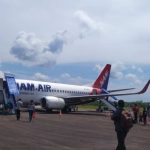
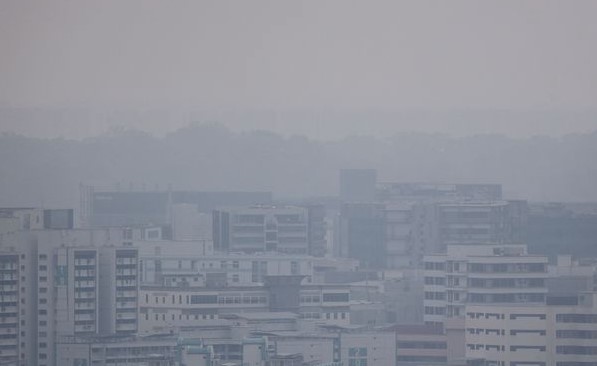
Here’s a reminder that Indonesia’s forest fire haze doesn’t exactly respect international borders. Malaysia’s budget airline Firefly has found itself forced into canceling flights to Singapore, proving once again just how far reaching these seasonal haze events can become once they start affecting regional air quality.
The Cancellation Keeps Getting Extended
Firefly Airlines, Malaysia’s low cost carrier, has extended its suspension of all flights between Subang Airport in Malaysia and Seletar Airport in Singapore through October 13, citing both haze and weather conditions as the reasoning behind this decision.
The airline framed these cancellations as a proactive safety measure, pointing specifically to weather conditions and haze affecting Seletar Airport, which sits in the northeastern part of Singapore’s main island. This policy update was shared through an announcement on the airline’s website, as reported by The Straits Times.
This isn’t actually a new development either. Firefly had already canceled flights on this route from October 10 through October 12 because of the same haze conditions, meaning this latest extension represents a continuation of an ongoing problem rather than a fresh issue popping up.
What Happens If Your Flight Got Canceled
For passengers caught up in these disruptions, Firefly has arranged alternative options through Malaysia Airlines, offering flights between Kuala Lumpur International Airport and Singapore’s Changi Airport instead, though availability depends on seat capacity for those particular flights.
If switching to these alternative arrangements doesn’t work for your travel plans, you’re not stuck without options. Passengers who decline the alternative arrangements can request a full refund instead. According to the airline, these refunds will be credited back to the original payment method within 30 business days.
Firefly has stated they’re closely monitoring changing weather conditions and will keep affected passengers updated regarding any further schedule changes moving forward. So if you’re someone with travel plans on this route, it’s probably worth keeping a close eye on official communications rather than assuming things will resolve themselves quickly.
Singapore’s Air Quality Has Taken a Serious Hit
This whole situation ties back to Singapore experiencing a noticeable decline in air quality throughout this haze season, which kicked off around Friday (October 9, 2026). The numbers paint a pretty concerning picture here.
The 24 hour Pollutant Standards Index (PSI) hit a seasonal high of 192, a reading that actually made Singapore the most polluted country in the world on that particular day.
For context, if you’re not familiar with how PSI readings work, anything above 100 is generally considered unhealthy, so hitting 192 represents a genuinely significant air quality concern, not just a minor seasonal inconvenience.
Why This Keeps Happening Year After Year
This situation really underscores a recurring challenge that Southeast Asia deals with almost annually. Forest and land fires in Indonesia, often linked to land clearing practices during dry seasons, generate smoke and haze that travels across borders, affecting neighboring countries like Malaysia and Singapore in ways that extend well beyond just air quality concerns.
What’s particularly notable this time around is how the disruption has cascaded into actual aviation operations, not just health advisories or outdoor activity warnings. When airlines start canceling flights because visibility and air quality have degraded to concerning levels, it signals just how serious these conditions have become.
The Bigger Regional Impact
This Firefly cancellation represents just one visible symptom of a much larger regional issue. We’ve already seen how Indonesia’s domestic aviation sector has struggled with nearly 1,700 affected flights due to haze conditions within its own borders. Now this same haze is creating enough atmospheric disruption to affect international routes connecting Malaysia and Singapore as well.
For travelers with plans involving this region, particularly anyone planning trips between Malaysia and Singapore via Seletar Airport specifically, it’s worth staying flexible and keeping backup plans in mind until haze conditions show genuine signs of improvement.
Given how unpredictable these seasonal fire related haze patterns can be, and how they’ve already forced multiple rounds of flight cancellations just within the past week alone, this situation could easily continue evolving before things stabilize.
Anyone affected by these disruptions should definitely reach out directly to Firefly or check their official website for the most current updates, since conditions on the ground (or rather, in the air) seem to be shifting fairly rapidly as this haze season continues playing out across the region.