
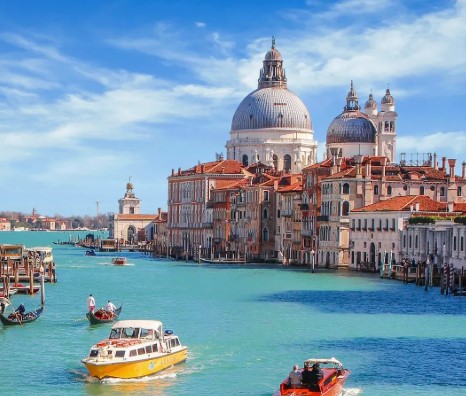
In a bold move to tackle its ongoing overtourism crisis, Venice is considering raising its daily tourist entry fee to as much as €30 (approximately Rp 600,000) starting in 2027, a significant jump from the current rate.
Current Fee Deemed Too Low to Discourage Visitors
The proposal was announced by Michele Zuin, the city council member overseeing budget and taxation matters. According to Zuin, the current entry fee of just €5 to €10 (roughly Rp 100,000 to Rp 200,000) is no longer effective at discouraging excessive tourist inflows into the historic city.
“The current fee of 5 to 10 euros is affordable for almost everyone. The risk is that this cost no longer carries the deterrent effect this policy is supposed to have,” Zuin explained, as quoted by Reuters on Sunday, September 27, 2026.
Zuin revealed that city officials had even discussed the possibility of raising the fee as high as €50 (around Rp 1 million). However, after further deliberation, €30 per day per tourist emerged as a figure considered more reasonable and acceptable.
Who the Fee Applies To
This entry fee specifically targets day-trippers, tourists who visit Venice and leave on the same day without staying overnight. The policy was first introduced in 2024, making Venice the first city in the world to implement this kind of tourist access charge.
Under the current system, tourists who book their visit in advance can secure a discounted rate, while children under the age of 14 are exempt from the fee entirely, making the policy more accessible for families traveling with young children.
How the Program Performed in 2026
In 2026, the entry fee was enforced on specific dates between April 3 and July 26, applying during the hours of 8:30 AM to 4:00 PM local time. During this period, the city government collected more than €5.2 million (approximately Rp 105 billion) in revenue from selling nearly 680,000 tickets, figures that demonstrate just how many day-trippers pass through Venice during peak tourist season.
2027 Fee Still Under Negotiation
Zuin was clear that the new rate for 2027 has not yet been finalized. Any proposed fee increase will need to be discussed and agreed upon jointly with the Italian national government before it can be officially implemented, meaning the final figure could still change before taking effect.
The Goal: Spreading Out Tourist Traffic
The entry fee policy has consistently been framed as a tool for managing tourist flow, particularly during periods when the city typically experiences overwhelming crowds. City officials hope that a higher fee will encourage visitors to reconsider the timing of their trips, potentially steering them away from the busiest and most congested periods.
One particular window of concern is the Labor Day holiday period, which has historically drawn massive crowds to the already-packed canals and narrow streets of Venice’s historic center.
A City Battling Two Crises at Once
Venice has long struggled with the effects of overtourism, overcrowded streets, strained infrastructure, and a diminished quality of life for residents living amid the constant influx of visitors. Compounding this issue, the city is simultaneously grappling with a separate but related crisis: a steadily declining local population, as rising costs and the pressures of mass tourism push longtime residents to relocate elsewhere.
This dual challenge has made Venice something of a global case study in how historic cities can balance tourism revenue with livability for local communities, and other heavily touristed destinations around the world are likely watching closely to see whether raising entry fees actually succeeds in curbing overcrowding.
What This Means for Future Visitors
For travelers planning a future trip to Venice, this potential fee increase serves as an early signal that visiting the city, especially as a day-tripper during peak season, could become notably more expensive starting in 2027.
Those hoping to avoid the higher fees may want to consider booking accommodations for an overnight stay, since the day-tripper fee specifically targets those who visit without lodging in the city, or plan their visits outside the historically busiest tourist windows once specific 2027 dates and pricing are confirmed.