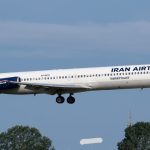
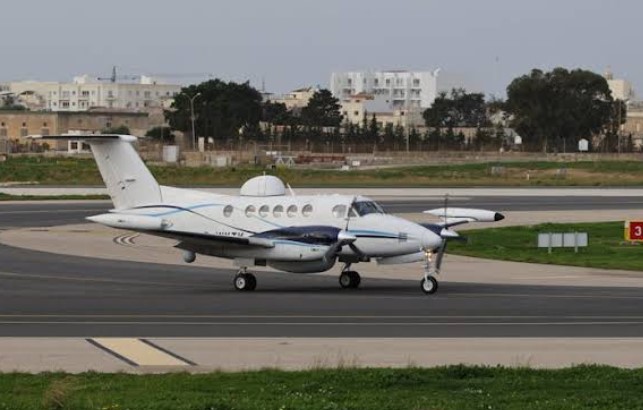
Iran’s aviation sector is facing a severe blow. The United States has imposed sanctions effectively banning flights to and from the country, with real consequences awaiting anyone who violates the restrictions.
US Treasury Secretary Scott Bessent said Iranian airlines will lose access to a range of essential services required to operate international flights.
“As of September 23, all Iranian airlines will be shut down worldwide,” Bessent said, as quoted by AFP on Tuesday, September 22, 2026.
No Fuel, No Landing Services, No Tickets
Under these sanctions, Iranian airlines won’t be able to refuel while operating at international airports. Any country that violates this restriction risks facing sanctions from the US itself.
“If they land, no one is allowed to refuel their aircraft, provide landing services, or sell tickets for them. Anyone who continues to serve them risks losing access to the US dollar system,” he said.
The Full List of 27 Banned Iranian Airlines
In total, 27 Iranian airlines have been banned by the United States from operating international flight routes. Here’s the complete list:
- Air Shiraz
- Asa Jet Airline
- Ata Airlines Company
- Atlas Aviation Group
- Ava Airlines
- Chabahar Airlines Company
- Erwan Airline Company
- Fly Kish Airlines
- Fly Persia Airlines
- Iran Air Tour
- Iran Aseman Airlines
- Jsky Airlines
- Kish Airlines
- Karun Airlines Company
- Lad Airways
- Mehr Airways
- Nasim Air
- Pars Oghyanous Kish Company
- Qeshm Air
- Raimon Airways
- Saha Airlines
- Sepehran Airlines
- Soroush Air
- Taban Airlines
- Toos Airlines
- Varesh Airlines
- Zagros Airlines
The Reasoning Behind the Sanctions
The US Treasury Department stated these sanctions are part of its “Economic Exile Operation” campaign against Iran, aimed at isolating Iran’s aviation sector and cutting off financial support that Washington says sustains the Iranian government and the Islamic Revolutionary Guard Corps (IRGC).
The sanctions don’t target Iranian airlines alone, they also extend to airports, aviation fuel suppliers, ground handling companies, and ticket sales agents that continue serving these carriers.
Any party that continues providing services to Iranian airlines risks facing secondary sanctions and losing access to the US dollar-based financial system.
Iran’s Response: “We Will Not Give In”
Responding to the mounting US sanctions pressure on Iran’s aviation industry, Iranian President Massoud Pezeshkian stated firmly that Iran will not back down.
“The resistance of the Iranian people will only grow stronger in the face of sanctions, pressure, and intimidation from the United States,” Pezeshkian said in New York while attending the United Nations General Assembly.
Not Every Country Is Complying
Notably, not every country is falling in line with the US directive. China, for instance, stated on Tuesday that it opposes the US sanctions, calling them illegal. According to Tehran’s international airport, a flight to Shanghai was still scheduled to depart on Wednesday.
Several flights to Istanbul were also still scheduled, even as others were canceled, according to travel agents who spoke to AFP.
“The situation is unstable, and we’ve temporarily stopped selling tickets out of fear of cancellations,” said one travel agent, who requested anonymity.
What This Means for Travelers
If you have any travel plans involving Iranian carriers, connections through Tehran, or routes that touch Iranian airspace or airports, the situation remains genuinely volatile, with individual routes being canceled or maintained on a near day-to-day basis depending on which countries choose to comply with the sanctions.
Given the uncertainty, confirming flight status directly with airlines shortly before departure, rather than trusting existing bookings, is strongly advised for anyone with Iran-related travel in the coming weeks.