Nepal plans to drain four glacial lakes in the Himalayan region to lower the risk of devastating floods. The move follows a major disaster that killed more than 1,400 people.
A Disaster That Left Thousands Missing
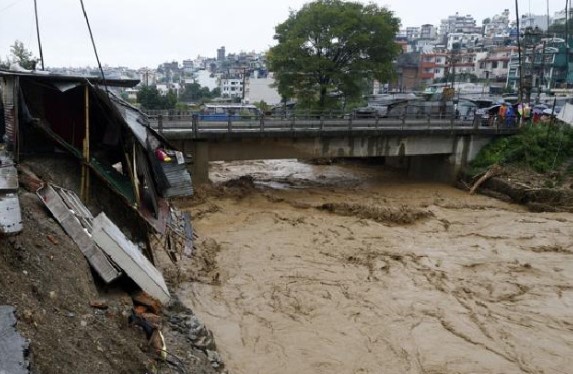
Search teams are still looking for more than 5,000 people reported missing in the border region between Nepal and China. The disaster began after a glacier collapse in August triggered landslides and flash floods across several valleys.
“Our goal is to reduce the risk of lake breaches caused by natural dams and to lower flood risk in downstream areas,” said Subash Tuladhar, an expert at a Nepal government research center, as quoted by The Independent on Tuesday, October 6, 2026.
How the Draining Will Work
Water from the lakes will be channeled through canals into nearby rivers. The work will not be easy, since crews must operate at high altitude and face the risk of sudden floods while they work.
The Four Target Lakes
The four lakes targeted are Thulagi, Lower Barun, Lumding Tsho, and Hongu II. They sit at elevations between 4,050 and 5,483 meters above sea level and are on the list of the most dangerous glacial lakes in Nepal.
Timeline and Funding
Studies and preliminary designs will begin in the fiscal year ending in mid-July 2027. The project is valued at around $50 million (about Rp 895 billion). Funding will come from the Green Climate Fund, the United Nations Development Programme (UNDP), and the Government of Nepal.
Sanjeeb Baral, Executive Director of the Centre for Hydrology and Water Resources Research, explained that draining will take place once the studies are complete. The work is expected to take up to six years.
Early Warning Systems Also Planned
Besides lowering water levels, Nepal’s government will install monitoring sensors and build a flood forecasting and warning system. Nepal has done similar work before. It lowered the level of Tsho Rolpa Lake by about 3 meters in 2000, and carried out a comparable project at Imja Lake near Mount Everest around a decade ago.
A Growing Threat in a Warming World
The danger from glacial lakes is increasing as rising global temperatures cause Himalayan glaciers to shrink. Nepal has recorded about 26 glacial lake outburst floods over the past four decades. On average, these events have killed more than 300 people and caused millions of dollars in losses each year.
Samjwal Ratna Bajracharya, a glacier expert at the International Center for Integrated Mountain Development (ICIMOD), said lowering a lake’s level by about 3 meters can significantly reduce the risk.
“These lakes are growing fast, sit high in the Himalayas, and can overflow at any time because of earthquakes, avalanches, climate conditions, and unplanned human activity,” he said.
What This Means for Nepal and Visitors
The project shows how seriously Nepal is treating climate-driven hazards in its high mountains. At the same time, the timeline matters. Studies start in 2027 and the physical work may take up to six years, so the highest-risk lakes will stay a concern for some time. Early warning sensors and forecasting systems are meant to offer protection in the meantime.
For trekkers, climbers, and tourism workers, the news is a reminder to check current conditions with local authorities and trekking agencies before traveling to high-altitude regions, especially in areas affected by this year’s floods.