
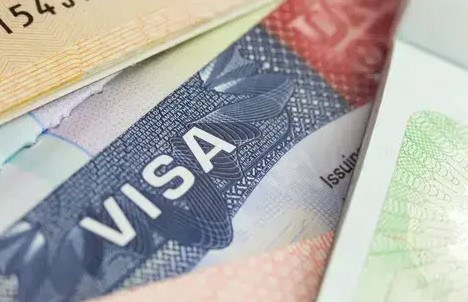
Turns out diplomatic tension doesn’t just show up in press conferences anymore. Sometimes it shows up in your travel budget.
Japan and China are currently locked in an escalating tit-for-tat over visa pricing, and travelers on both sides are about to feel it in their wallets.
Japan Makes the First Move
Back on July 1, 2026, Japan officially hiked its visa fees for foreign nationals, and this wasn’t a minor adjustment. It was Japan’s first visa fee increase in almost 50 years, and the jump was massive: a 5x increase, taking the standard fee from 3,000 yen (around Rp 330,000) all the way up to 15,000 yen (roughly Rp 1.65 million).
For a country that hadn’t touched its visa pricing in half a century, this was a pretty bold move.
China Fires Back, And Then Some
China wasn’t exactly in a forgiving mood to begin with. Relations between the two countries were already strained over political comments regarding Taiwan, and Japan’s visa hike apparently pushed things further.
Starting Monday, September 14, 2026, China rolled out its own retaliation: visa fees specifically for Japanese nationals entering China shot up by a staggering 7 times, according to Japan Today.
The Chinese Embassy in Japan didn’t mince words about the reasoning either, calling it a direct reciprocal response to Japan’s July fee increase. In other words, this was payback, plain and simple.
Based on figures reported by Asia Network, the cost of a single-entry visa to China is set to jump from 2,250 yen (about Rp 257,000) to 16,750 yen (roughly Rp 1.9 million), more than seven times the current rate.
Why This Hits Harder Than You’d Think
Here’s what makes this particularly significant: Chinese travelers aren’t just another market for Japan, they’re the biggest one. According to 2025 visa issuance statistics, Chinese nationals accounted for 73% of all visas issued by Japan that year.
That means Japan’s own fee hike was already going to sting a huge chunk of its visitor base. Now, with China clapping back at Japanese travelers, both countries are essentially squeezing each other’s tourism pipelines at the same time.
How Did We Get Here? It All Traces Back to Taiwan
This whole visa standoff didn’t come out of nowhere, it’s rooted in a much bigger geopolitical flashpoint.
The tension can be traced back to comments made by Japanese Prime Minister Sanae Takaichi during a Budget Committee session in Japan’s House of Representatives on November 7, 2025. Takaichi addressed the possibility of Japanese military intervention should a conflict break out over the Taiwan Strait.
That statement alone was enough to set things off, but the situation had actually been simmering since late last year, when Takaichi described a potential Chinese attack on Taiwan as a serious existential threat to Japan, a country sitting just 110 kilometers away geographically.
Beijing didn’t take that lightly. China has long treated the Taiwan issue as a strictly internal matter, and Takaichi’s remarks were seen as a direct challenge to that stance, triggering significant backlash from Chinese officials.
What This Means Going Forward
What started as a political disagreement over Taiwan has now spilled into everyday travel costs for ordinary citizens on both sides. With visa fees climbing sharply in both directions, cross-border travel between two of Asia’s largest economies just got a lot pricier, and given how deeply intertwined tourism between Japan and China has become, this standoff could end up costing both countries more than just diplomatic goodwill.