
Pressure on Iranian airlines is no longer coming from the United States alone. One by one, additional countries are taking steps that further narrow Iran’s international flight access.
According to AFP, reported Tuesday, September 22, 2026, US Treasury Secretary Scott Bessent announced that, starting September 23, all flights operated by Iranian airlines would be halted.
Sanctions Extend Beyond the Airlines Themselves
Bessent stated that the targets of this policy extend well beyond Iranian airlines alone, also covering airports, aviation fuel suppliers, ground handling companies, and ticket sales agents that continue serving Iranian carriers.
According to him, any party that continues providing services to Iranian airlines risks facing secondary sanctions and losing access to the US dollar-based financial system. This threat applies to every Iranian airline operating international routes.
As of now, there’s no official list detailing which airlines are being “shut down” one by one. Bessent only stated that the policy targets all Iranian flight operators still serving international routes.
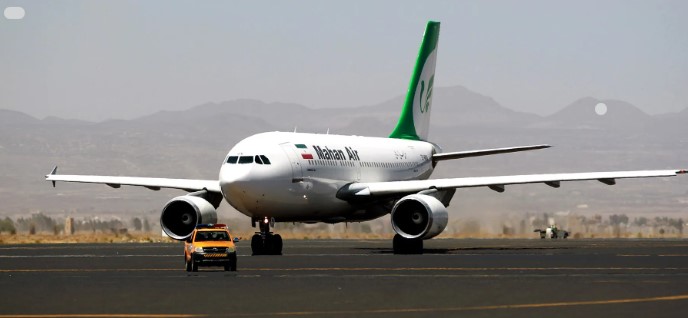
That said, several of Iran’s largest airlines are considered likely to be affected, including Iran Air, Mahan Air, Iran Aseman Airlines, and Meraj Airlines. These carriers have long served as the backbone of Iran’s international flight network to countries across the Middle East, Asia, and surrounding regions.
Mahan Air Feels the Impact First
Among these carriers, Mahan Air appears to be feeling the effects fastest. The Financial Times reported that Mahan Air has already suspended flights to Istanbul, Ankara, and Muscat as pressure on Iran’s aviation sector intensified.
Countries Begin Restricting Iranian Flights
The impact of this US policy is already visible in several countries that have long served as key destinations for Iranian flights.
Georgia has reportedly banned Iranian airlines from operating within its territory. Iranian carriers are said to have completed their final flights to the country before the restrictions took effect.
Iraq is also preparing to suspend Iranian airline flights. Two Iraqi government sources told AFP that this decision came following the latest announcement from the US Treasury Department. If fully implemented, this move would affect one of the busiest air corridors between Iran and its neighboring countries.
Meanwhile, Turkey has begun tightening access for Iranian airlines. Mahan Air confirmed it halted flights to Istanbul and Ankara at the request of Turkish authorities. Reuters also reported that Turkey and Oman have agreed to halt Mahan Air flights into their respective territories amid mounting pressure from Washington.
Airports Outside Iran Are Also at Risk
What makes this policy distinct is that its targets extend beyond just the airlines themselves. According to Bessent, companies providing fuel, landing services, ticket sales, or other operational support to Iranian airlines can also face sanctions.
In practical terms, this means Iranian aircraft may technically still be able to fly, but will increasingly struggle to access the services they need once landing abroad.
Because this threat targets the aviation ecosystem as a whole, many airport operators and aviation service companies are expected to avoid the risk altogether by discontinuing cooperation with Iranian airlines entirely.
What This Means for Passengers
For travelers, the most immediate impact will be a shrinking pool of international flight options to and from Iran.
According to a report from Iran International, air travel to and from Iran is becoming increasingly difficult as several foreign airlines suspend service, while new US sanctions threaten the remaining international routes still in operation.
This situation could force passengers into longer transit routes, airline changes, or unexpected flight cancellations and schedule disruptions.
What This Means for Travelers With Iran-Related Travel Plans
If you have any travel plans involving Iranian carriers or routes connecting through Iran, it’s worth monitoring the situation closely and staying flexible, as the list of affected routes and airlines appears to be expanding rapidly. Given how quickly individual countries are announcing new restrictions, confirming your specific flight’s status directly with the airline shortly before departure is strongly advised rather than relying on booking information that may no longer be accurate.