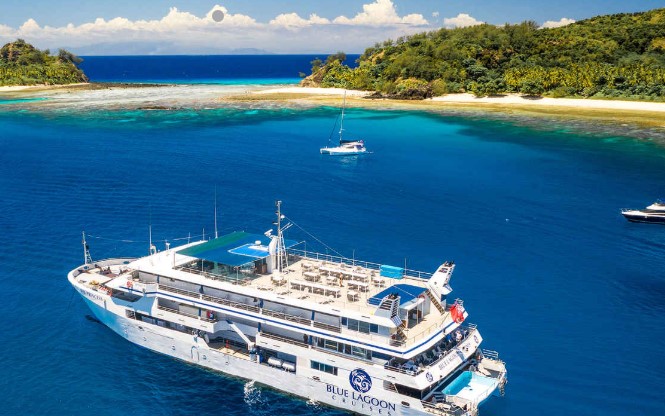
The cruise ship MV Fiji Princess ran aground near Monuriki Island earlier this year, though thankfully all 30 passengers aboard were safely evacuated. The incident briefly put Fiji in international headlines, but it’s also a good reminder of exactly why this island paradise draws cruise travelers from around the world in the first place.
For context, the MV Fiji Princess, operated by Blue Lagoon Cruises, ran aground on a reef near Monuriki Island, the uninhabited island famous as the filming location for the 2000 Tom Hanks film Cast Away, after a sudden squall dragged its anchor into a nearby reef. All passengers and crew were evacuated safely with no injuries reported, though the vessel sustained significant damage and has since been retired from service.
A True Island Paradise
Fiji is a genuine island paradise, so picture-perfect it can look almost like an edited photo. Made up of more than 300 islands scattered across the South Pacific Ocean, it’s no surprise this archipelago remains a favorite destination for cruise travelers.
Fiji is well known for its relaxed way of life. Nothing here happens in a hurry, and that unhurried pace is exactly what makes the destination so special.
Why Food Matters So Much When Visiting Fiji
For travelers visiting Fiji, food is never just something to eat, it’s an essential part of the journey, bringing visitors closer to the land, the people, and the culture itself.
Lovo is Fiji’s traditional cooking method, offering a genuinely unique and authentic culinary experience. The technique involves wrapping various ingredients in banana or coconut leaves and placing them into an underground pit lined with heated stones.
Once the food is placed inside, the pit is covered and left to cook for several hours, allowing heat from the stones to slowly infuse the dish with a rich, smoky flavor.
A typical lovo feast usually includes a variety of meats such as chicken, lamb, and fish, along with island favorites like palusami (taro leaves cooked in thick coconut cream) and root vegetables such as cassava, taro, sweet potato, breadfruit, and corn. The result is a spread of flavorful, tender, and aromatic dishes.
A Cooking Tradition Shared Across the Pacific
Food has a way of bringing people together, regardless of culture or geography. Across the Pacific region, this style of underground pit cooking is traditionally used for large feasts during special events and celebrations.
In New Zealand, this cooking method is known as the Māori hāngī, while in Samoa it’s called umu. In Papua, it’s known as barapen, or “bakar batu” (stone burning).
Why This Matters for Anyone Considering a Fiji Trip
Incidents like the Fiji Princess grounding are rare, and Fiji’s cruise and tourism industry remains a well-established, generally safe way to explore its islands. For travelers planning a visit, seeking out an authentic lovo feast is one of the most memorable ways to experience Fijian culture firsthand, a tradition shared, in its own local form, across much of the wider Pacific region.