Ever wondered how a museum manages to keep decades old weapons, tanks, and artifacts looking pristine for over half a century? Museum Satria Mandala has quietly perfected the art of historical preservation, and it turns out the secrets behind their incredibly well maintained collection are a lot more hands on than you’d expect.
A Museum With Serious Historical Weight
Museum Satria Mandala stands as one of Indonesia’s key historical museums, dedicated entirely to preserving the legacy of the Indonesian National Armed Forces’ (TNI) struggle for independence. The museum first opened its doors on October 5, 1972, and has since become known for housing an incredibly comprehensive weapons collection.
We’re talking about a genuinely diverse range of items here, traditional weapons, locally made firearms, weapons seized from wartime enemies, and even heavy artillery. Despite being stored for decades now, these collections remain remarkably well preserved and intact, which honestly says a lot about the care put into maintaining them.
The museum recently went through a revitalization process, giving it a more modern and interactive feel. But importantly, this modernization hasn’t compromised the museum’s core identity or historical integrity. If anything, the collections on display are now even more complete and better maintained than before.
Weapon Oil Is the Real MVP Here
So how exactly do they keep decades old weapons from rusting or deteriorating? According to Yulianto Setiawan, Head of Promotion at Museum Satria Mandala, the answer comes down to a surprisingly simple but consistent routine, applying specialized weapon oil once a week.
“We apply oil, specifically weapon oil. There’s a special type of oil just for this. So to prevent rust, we oil them once a week. We apply the oil using a cloth or white fabric, rubbing and wiping the entire surface slowly. So it’s not washed, we use weapon oil instead,” Yulianto explained during a visit to Museum Satria Mandala on Monday, October 12, 2026.
That detail about not washing the weapons is actually pretty important. Water exposure on metal surfaces over time would likely accelerate rust and corrosion, so sticking to oil based maintenance makes a lot of sense for long term preservation.
Even the Tank Tires Get the VIP Treatment
Weapons aren’t the only things requiring specialized care. Yulianto also shared how they maintain the tires on combat vehicles, including tanks, by polishing them periodically. This particular technique keeps the tires looking deep black and glossy rather than faded or dull, which honestly makes a noticeable difference in how these massive vehicles present themselves to visitors.
General Sudirman’s Stretcher Gets Special Treatment
One of the museum’s most historically significant artifacts is the stretcher used by General Sudirman during his guerrilla warfare campaign. Given its historical importance, this particular item receives its own dedicated preservation technique.
Rather than washing it, the stretcher is maintained using dry wiping and occasional varnishing. “For the stretcher, we mostly maintain it by applying a little varnish to worn spots and wiping it with a dry cloth, never a wet cloth,” Yulianto explained.
He also clarified exactly why dry cloths are used instead of wet ones. Moisture can actually encourage mold growth and attract insects like mites, both of which could seriously damage this irreplaceable historical artifact over time. As an additional protective measure, the team also uses anti termite treatment on wooden items like this to prevent pest damage.
Tanks and Planes Get a Surprisingly Normal Cleaning Routine
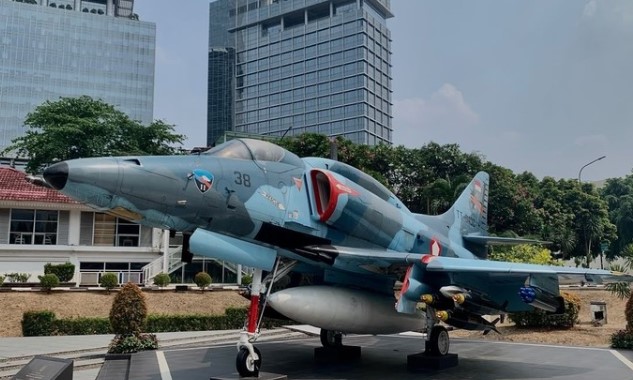
Here’s a detail that might catch you off guard. For outdoor collections like tanks and aircraft, the museum actually cleans them using dish soap or shampoo. Yes, the same kind of products you might have sitting in your own bathroom or kitchen right now.
“For outdoor collections like tanks and planes, we wash them using dish soap or shampoo. The goal is to avoid fading the paint on these collections,” Yulianto explained.
It makes sense when you think about it though. Harsh industrial cleaning chemicals could potentially strip or fade the paint on these large vehicles, while gentler products like dish soap or shampoo clean effectively without causing that kind of damage. It’s a pretty practical, budget friendly solution for maintaining large outdoor military vehicles exposed to weather and elements year round.
No Snacking Allowed, and There’s a Good Reason Why
Preservation at Museum Satria Mandala isn’t just about physical maintenance techniques either, it also involves managing visitor behavior. One key rule enforced throughout the museum is a strict no eating or drinking policy inside the indoor exhibition areas.
This rule exists specifically to prevent ants and other insects from being drawn into the indoor museum spaces. Insect infestations can cause serious damage to historical collections over time, whether that’s through direct physical damage or by creating conditions that encourage mold and decay.
So keeping food and drinks out of the galleries is actually a pretty crucial part of the overall preservation strategy, even if it might seem like a minor inconvenience to visitors.
Plan Your Visit
For anyone curious to see these impeccably preserved weapons and historical artifacts for themselves, Museum Satria Mandala is located at Jalan Gatot Subroto No.14, Kuningan Barat, Mampang Prapatan, South Jakarta.
With its recently revitalized, more modern layout combined with these decades old preservation techniques still very much in practice, visitors get the best of both worlds, an engaging contemporary museum experience built around genuinely well cared for historical treasures.
Why This Preservation Story Actually Matters
There’s something genuinely admirable about how Museum Satria Mandala approaches preservation. Rather than relying purely on climate controlled rooms and expensive conservation technology, a lot of their methods involve surprisingly accessible, almost old fashioned techniques, weapon oil, dry cloths, dish soap, and strict visitor rules.
It’s a reminder that preserving history doesn’t always require cutting edge technology, sometimes it just takes consistent, dedicated care applied patiently over decades.
For a museum holding onto physical reminders of Indonesia’s fight for independence, that level of commitment to keeping these artifacts intact feels entirely fitting, ensuring future generations can still see and connect with these pieces of history up close, exactly as they would have looked decades ago.