
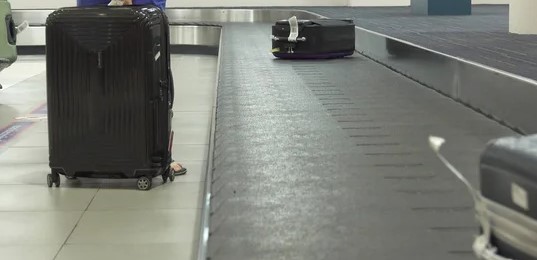
Thailand’s Don Mueang International Airport just revealed some pretty eye opening numbers from its new baggage inspection policy. In just seven days, officials discovered a total of 1,122 prohibited or non compliant items stashed across 927 checked bags.
That’s an average of more than one banned item per bag checked, which really says something about how many travelers are unknowingly or knowingly packing things they shouldn’t.
These findings were recorded between October 16 and 22, 2026, right after Thailand rolled out a brand new baggage inspection policy enforced by the Civil Aviation Authority of Thailand (CAAT).
What Changed With These New Rules
Here’s the big shift. Security officers can now open checked baggage without the owner present, as long as there’s reasonable suspicion that the bag contains prohibited or dangerous items. That’s a significant change from standard procedure at a lot of airports, where passengers are typically required to be present during any bag search.
So what exactly are officers finding during these inspections? According to reports, the items turning up most frequently include power banks, lighters, electronic cigarettes, and various other electronic devices that run on batteries. Basically, a lot of everyday items that people often forget aren’t allowed in checked luggage due to fire and safety risks.
Officers Have to Film Everything
According to a report from Thaiger published Tuesday, October 27, 2026, this new procedure comes with some pretty specific accountability measures built in. Officers are required to record every inspection using video. They also have to leave a written notice inside any bag that gets opened, letting the owner know their luggage was inspected while they weren’t around.
Pokpong Suwanmolee, Acting Director of Don Mueang Airport, explained that officers are authorized to open baggage whenever there’s sufficient reason to suspect prohibited items are inside. This isn’t a random search policy, there needs to be legitimate cause behind each inspection, and that video documentation requirement helps keep the whole process transparent and traceable.
What Travelers Need to Do Before Flying
Airport management is strongly urging passengers to double check their luggage before heading to the airport. The big one here is power banks and spare lithium batteries, these absolutely need to go in your carry on bag, not your checked luggage.
This isn’t just a Thailand specific rule either, it’s actually pretty standard across most international aviation regulations due to the fire risk lithium batteries pose when stored in cargo holds.
Passengers also need to pay attention to battery capacity limits and whatever specific rules their airline has in place, since these can vary slightly depending on which carrier you’re flying with.
The Luggage Lock Situation Is Worth Knowing About
Here’s a detail that could genuinely save you some frustration and money. Don Mueang Airport is recommending that passengers use TSA approved luggage locks specifically. These particular locks are designed so that authorized officers can open and relock them during inspection without damaging the lock or the bag itself.
On the flip side, if your luggage lock isn’t TSA compliant and officers can’t open it through normal means, they might have to cut it off or force it open through other methods. And that obviously comes with a real risk of damaging your suitcase in the process.
So if you’re planning to fly through Thailand anytime soon, it’s probably worth checking whether your luggage lock actually meets this standard before you pack.
Keep Your Valuables and Important Documents With You
The airport also issued a reminder that’s honestly good travel advice regardless of which airport you’re flying through. Don’t pack valuables, important documents, or urgent personal necessities into your checked baggage.
These items should stay in your carry on where they’re easily accessible and, more importantly, stay under your direct control throughout the journey.
This advice makes even more sense now given the new inspection policy. If your checked bag might get opened without you present, you definitely don’t want your passport, cash, or other critical items sitting inside it when that happens.
Why Thailand Is Doing This
According to Pokpong, the airport plans to continue enforcing these inspection procedures going forward and is asking passengers to cooperate with security officers throughout the process. The overall goal here is straightforward, prevent prohibited and dangerous items from making their way into aircraft cargo holds, while also making sure the entire inspection process remains fully traceable and accountable.
That accountability piece really matters here. Opening someone’s bag without them present is obviously a sensitive thing to do from a trust standpoint, so by requiring video documentation and written notices, Thailand’s aviation authority seems to be trying to balance stronger security enforcement with genuine transparency toward passengers.
What This Means for Anyone Flying Through Don Mueang
With over 1,100 violations caught in just one week, it’s pretty clear this new policy is catching a real problem rather than just creating extra bureaucracy for no reason. A lot of these violations are probably unintentional, people genuinely not realizing their power bank or spare batteries needed to be in their carry on rather than checked luggage.
For travelers planning to fly through Don Mueang Airport anytime soon, the takeaway here is pretty simple. Double check what’s actually in your checked bags before you get to the airport, move any batteries or electronics with batteries into your carry on, consider swapping out non TSA locks if you’re currently using one, and keep valuables and essential documents on your person rather than buried in checked luggage.
Given how aggressively these new rules are being enforced right out of the gate, it’s clearly not a policy that’s going away anytime soon, so getting ahead of it now will save you a lot of hassle later.