
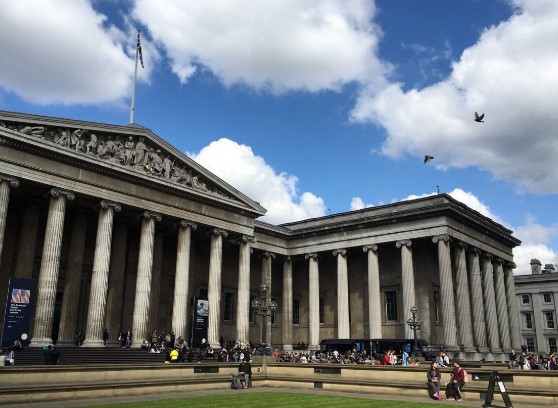
The UK government has confirmed that international tourists will continue to enjoy free admission to national museums, abandoning an earlier plan that had considered charging foreign visitors a special entry fee to boost funding for the museum sector.
Free Entry Remains Intact
Free access continues to apply to permanent collections at several national museums, including the British Museum and National Gallery in London. This policy has been in place since 2001 and has long served as a major draw for the millions of tourists who visit the UK each year.
Why the Fee Plan Was First Proposed
The idea of charging foreign tourists an admission fee was first announced by the government back in March. The proposal was being studied as a way to help boost funding for national museums, which have been grappling with tight budget constraints in recent years.
Government Reverses Course After Consultation
According to AFP, reported Sunday, October 4, 2026, the UK government ultimately scrapped the plan following several months of public consultation. The country’s Culture Ministry concluded that introducing an entry fee could actually discourage some domestic visitors from visiting museums as well, an unintended consequence that outweighed the potential funding benefits.
“The impacts and benefits of introducing a charge would not be felt evenly across the sector, so we will not be introducing a charge for overseas visitors,” explained the Department for Digital, Culture, Media and Sport (DCMS).
The Economic Case for Keeping Museums Free
The UK government noted that national museums contribute more than £1 billion (approximately Rp 23.77 trillion) to the economy annually. Visitor numbers also reflect strong ongoing interest in the collections and exhibitions these museums offer, reinforcing the argument that free access drives broader economic value beyond just direct ticket revenue.
London Mayor Sadiq Khan welcomed the decision. “This is good news that the government has committed to continuing to keep museums free for everyone,” he said.
Strong Visitor Numbers Across Major Museums
Last year, the Natural History Museum in London recorded 7.1 million visitors. The British Museum received approximately 6.4 million visitors during the same period. The British Museum is currently experiencing particularly high visitor traffic thanks to its ongoing exhibition of the Bayeux Tapestry.
This historic artifact was loaned from France and is being displayed in the UK for the very first time, drawing significant public interest and media attention. While permanent collections remain free, visitors are still charged for access to select temporary exhibitions like this one.
Foreign Tourists Make Up a Significant Share of Visitors
According to UK government data from the 2023-2024 period, foreign tourists accounted for approximately 43% of all national museum visitors, underscoring just how central international tourism has become to the overall visitor base these institutions rely on.
What This Means for Travelers
For tourists planning a trip to London or elsewhere in the UK, this decision means permanent museum collections will remain accessible without an entry fee, continuing a tradition that has made UK museums especially appealing compared to many other major international destinations that charge general admission.
That said, travelers should still budget for potential costs tied to special or temporary exhibitions, such as the current Bayeux Tapestry display, since these remain separately ticketed even though general collection access stays free.
A Win for Cultural Accessibility
This decision reflects a broader philosophy that free museum access serves a public good extending beyond simple revenue considerations, benefiting education, cultural exchange, and tourism appeal simultaneously. With foreign visitors making up nearly half of all museum attendance, maintaining free entry appears to be a strategic decision aimed at preserving the UK’s cultural institutions as accessible, world-class attractions for a truly global audience.