
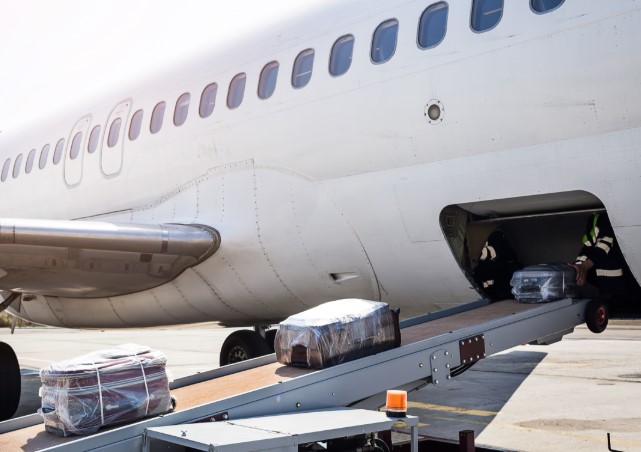
Garuda Indonesia’s revised baggage policy could end up disadvantaging passengers if its implementation isn’t made clearer, and there’s a growing concern that other airlines might adopt similar rules if the policy goes unchallenged.
The Indonesian Air Transport Consumers Association (APJAPI) maintains that Garuda Indonesia, as a full-service airline, should continue following existing baggage service regulations.
These regulations refer to Ministry of Transportation Regulation No. PM 30 of 2021 on Minimum Service Standards for Air Transport Passengers, and Regulation No. PM 35 of 2021 on Air Transport Operations. APJAPI Chairman Alvin Lie emphasized that the association isn’t opposed to baggage policy changes in general.
“We’re not against changes to baggage service policy, but any policy change should still comply with existing regulations,” Alvin said at an APJAPI press conference in Jakarta on Wednesday, September 9, 2026.
Why APJAPI Worries Other Airlines Could Follow
APJAPI has raised concerns that this policy could set a precedent other airlines might follow, given that the new piece-based system could generate additional revenue for carriers beyond ticket sales alone.
“Could other airlines copy this? It’s possible, if this violation is allowed to stand, others could follow suit too. Since this generates additional revenue for airlines, that’s exactly what concerns us,” Alvin explained.
Garuda’s Official Response
Meanwhile, Garuda Indonesia’s Director of Transformation, Neil Raymond Mills, stated that the new policy is still in a transition phase, and the airline will continue working to ensure the rollout process remains clear for passengers.
“We understand that implementing a new scheme requires an adjustment process. That’s why our priority is making sure this transition is as clear and smooth as possible, while ensuring our team is ready to support customers throughout their journey,” he said, as quoted by CNN Indonesia.
What the New Baggage Rules Actually Say
For context, Garuda Indonesia’s revised baggage system took effect on September 1, 2026, applying to tickets issued or purchased from that date onward. The previous weight-based system has been replaced with a piece-based concept, where baggage allowance is determined by the number of bags and a weight limit per individual bag.
Under this new system, domestic economy class baggage allowance is capped at a maximum of one bag weighing up to 23 kilograms. Importantly, this rule does not apply to international flights, which continue operating under different terms.
What Travelers Are Saying Online
Based on detikTravel’s monitoring of discussions on Threads as of Friday, September 11, public conversation around the policy still largely centers on its lack of clarity.
“It’s a new rule similar to what major global airlines already do. It’s just that for domestic routes it feels less convenient, while international routes are still relatively okay,” one user wrote.
What This Means for Garuda Passengers Going Forward
If you’re flying Garuda Indonesia domestically after September 1, 2026, the safest approach is packing into a single bag under 23 kilograms rather than splitting belongings across multiple pieces, since additional bags may now trigger extra charges regardless of total weight. International travelers, meanwhile, can continue booking under the previous terms for now, though it’s worth keeping an eye on whether that distinction holds as the policy rollout continues and the regulatory review from the Ministry of Transportation plays out.