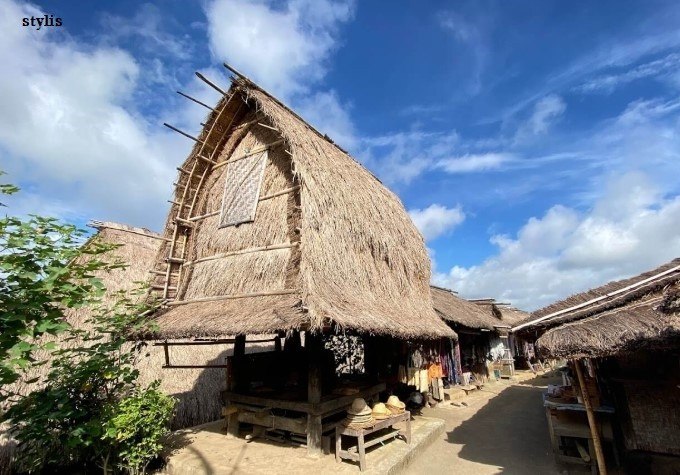
Sade Traditional Village in West Nusa Tenggara (NTB) has officially begun its reconstruction journey following the devastating fire that swept through it, marked by the traditional Nyemulak ceremony, a symbolic cornerstone-laying ritual for the rebuilding of the village’s Sasak traditional houses and its mosque.
The ceremony took place on Thursday, September 3, 2026. Central Lombok Regent Lalu Pathul Bahri noted that the timing, coinciding with the month of Maulid Nabi Muhammad SAW (the Prophet’s birthday), made it a particularly meaningful moment to begin rebuilding.
“This month of Maulid Nabi Muhammad is the best possible timing, which is why the reconstruction of homes in Sade Traditional Village begins today,” Pathul said.
He expressed appreciation for the donors who have contributed to the reconstruction effort, expressing hope that continued public support would help Sade’s residents recover and return to the daily life they had before the fire.
“We hope the community continues supporting this reconstruction for the wellbeing of future generations. This rebuilding process will be carried out transparently and in accordance with proper procedures, for the good of the community,” he added.
“This Process Cannot Be Rushed”
NTB Governor Lalu M Iqbal described the Nyemulak ceremony as the beginning of a long reconstruction journey ahead, urging all parties involved to remain patient, since rebuilding a site like this cannot be rushed.
“This building process must be approached with patience,” he added.
Iqbal also called on the government to form a dedicated task force and establish a joint account to manage all incoming donations, saying this step is necessary to keep aid management transparent.
“All incoming donations will be consolidated,” Iqbal said.
He further requested that construction of a semi-permanent museum be expedited so residents can resume activity as normal. “Visiting tourists will be able to see what Sade looked like, since the area has been closed off during the reconstruction process,” he said.
Iqbal emphasized that the reconstruction must faithfully restore Sade Traditional Village to its original values and form.
“This rebuilding process must not be rushed. This is the first cultural preservation project of its kind in NTB,” he said.
How the Nyemulak Ceremony Came Together
Lalu M Faozal, Coordinator of the Sade Traditional House Reconstruction effort, explained that the Nyemulak tradition was agreed upon through a community deliberation (musyawarah) with residents of Sade Hamlet.
“Today marks the agreed-upon auspicious day for installing the foundation pillars for the reconstruction of the mosque and Sade’s traditional houses,” he said.
The Scale of What Was Lost
The earlier fire affected 75 traditional houses, 8 berugak (traditional gazebos), 6 sekenam structures, 1 mosque, 2 restrooms, and 69 art shops. Faozal noted that reconstruction will proceed in stages according to a structured plan, prioritizing safety throughout the process.
“The entire building process begins today, but it can’t all be completed simultaneously, construction will follow a phased reconstruction plan designed to be safer overall,” he said.
Why This Matters Beyond Sade Village
The Nyemulak ceremony is more than just a construction milestone, it reflects how deeply intertwined Sade Village’s rebuilding is with the Sasak community’s own cultural practices and values. For travelers who care about responsible, culturally respectful tourism, this reconstruction effort offers a rare, transparent look at how a living heritage site works to rebuild itself while staying true to its roots, rather than simply replacing what was lost with something new.